Exploring Memory Care: Critical Information for Successful Caregiving
Managing memory care presents specific challenges for caregivers. Understanding the diverse types of memory impairments is essential for effective support. Caregivers must develop tailored communication strategies and create environments that foster security and confidence. Daily routines and engaging activities play a significant role in emotional health. However, the demands of caregiving can take a toll on personal health. Examining these facets reveals essential insights that can transform the caregiving experience.
Understanding Memory Disorders: Essential Issues and Symptoms
While memory impairments can develop from different sources, grasping the key conditions and symptoms tied to these cognitive challenges is essential for effective care. Alzheimer's disease, a progressive neurological disorder, is one of the most common causes of memory loss, characterized by gradual cognitive decline and disorientation. Vascular dementia, arising from reduced blood flow to the brain, can trigger sudden memory challenges and confusion. Other conditions, such as Lewy body dementia and frontotemporal dementia, also display unique symptoms that caregivers must acknowledge.
Along with these illnesses, elements such as traumatic brain injury, substance abuse, and depression can also contribute to memory impairments. Signs may include difficulty recalling recent events, confusion concerning time and place, and struggles in performing familiar tasks. By identifying these circumstances and signs, caregivers can more effectively adapt their approaches, guaranteeing that those affected receive the suitable support and interventions necessary for their health.
Successful Communication Approaches for Caregivers
Proper communication is necessary for caregivers caring for individuals suffering from memory impairments. By employing active listening techniques, recognizing nonverbal communication cues, and implementing simplified language, caregivers can foster more meaningful interactions. These strategies not only improve understanding but also support a sense of dignity and respect in the caregiving relationship.
Methods for Effective Listening
How does active listening enhance the communication dynamic between caregivers and memory care patients? Active listening is a fundamental technique that enhances understanding and connection. It requires complete attention to the speaker, recognizing their emotions, and replying with consideration. Caregivers can enhance their exchanges by sustaining eye contact, gesturing with nods, and employing verbal confirmations, showing they appreciate the speaker's contributions. This technique promotes an atmosphere of trust and respect, inspiring those in memory care to share more candidly. By reflecting on what is said and asking clarifying questions, caregivers can better grasp the needs and emotions of those they assist. Finally, active listening can create more purposeful conversations, decreasing anxiety and elevating the entire caregiving process.
Non-Verbal Communication Signals
Nonverbal interaction indicators, such as facial expressions, gestures, and posture, play an essential role in the interactions between caregivers and individuals in memory care. These cues can express empathy, reassurance, and understanding, often with greater impact than copyright alone. A warm smile may help to ease anxiety, while an open posture demonstrates approachability. Moreover, caregivers should be attuned to the nonverbal signals displayed by those in their care. Changes in body language or facial expressions can suggest discomfort or confusion. By identifying and addressing these cues, caregivers can cultivate a supportive environment that promotes trust and connection. Finally, effective nonverbal communication enhances the quality of care and enhances the overall experience for both caregivers and individuals with memory impairments.
Straightforward Language Application
Effective communication is crucial in memory care settings, and simplified language serves as a key strategy for caregivers. By using direct vocabulary and compact sentences, caregivers can improve comprehension and minimize frustration for individuals with cognitive impairments. This approach supports interaction and nurtures a sense of dignity. Caregivers should bypass complicated expressions or sayings that may confuse patients and instead opt for simple, specific directions. Repetition can also aid comprehension, working to solidify messages without overwhelming the individual. Additionally, caregivers should maintain patience, permitting adequate time for answers. Adding visual aids in combination with simplified language can additionally enhance communication effectiveness. Ultimately, these strategies promote a supportive environment, strengthening the quality of interactions and overall care for those in memory care.
Developing a Safe and Caring Environment
Creating a protective and encouraging environment is vital for individuals with memory impairments, as it directly influences their overall wellness and life quality. A well-organized space reduces confusion and lowers the risk of accidents. Caregivers should emphasize removing hazards, such as clutter and sharp objects, while making sure that important items are easily accessible. Proper lighting is critical, as it can help individuals navigate their surroundings more safely.
Adding recognizable objects and personal mementos can trigger positive memories and provide comfort. Moreover, the environment should foster a sense of belonging, featuring warm colors and inviting décor to learn about this create a comfortable atmosphere. Routinely reviewing and adapting the space to meet the shifting needs of the individual is also essential. By cultivating a nurturing environment, caregivers can elevate the overall experience for those with memory impairments, eventually supporting their dignity and independence.
Everyday Habits and Tasks That Encourage Participation
Creating daily routines and stimulating activities is vital for people with memory loss, as these elements can substantially strengthen cognitive function and emotional health. Consistent schedules create structure, lessening worry and bewilderment. Integrating well-known tasks, such as gardening or cooking, cultivates a sense of achievement and encourages memory retention.
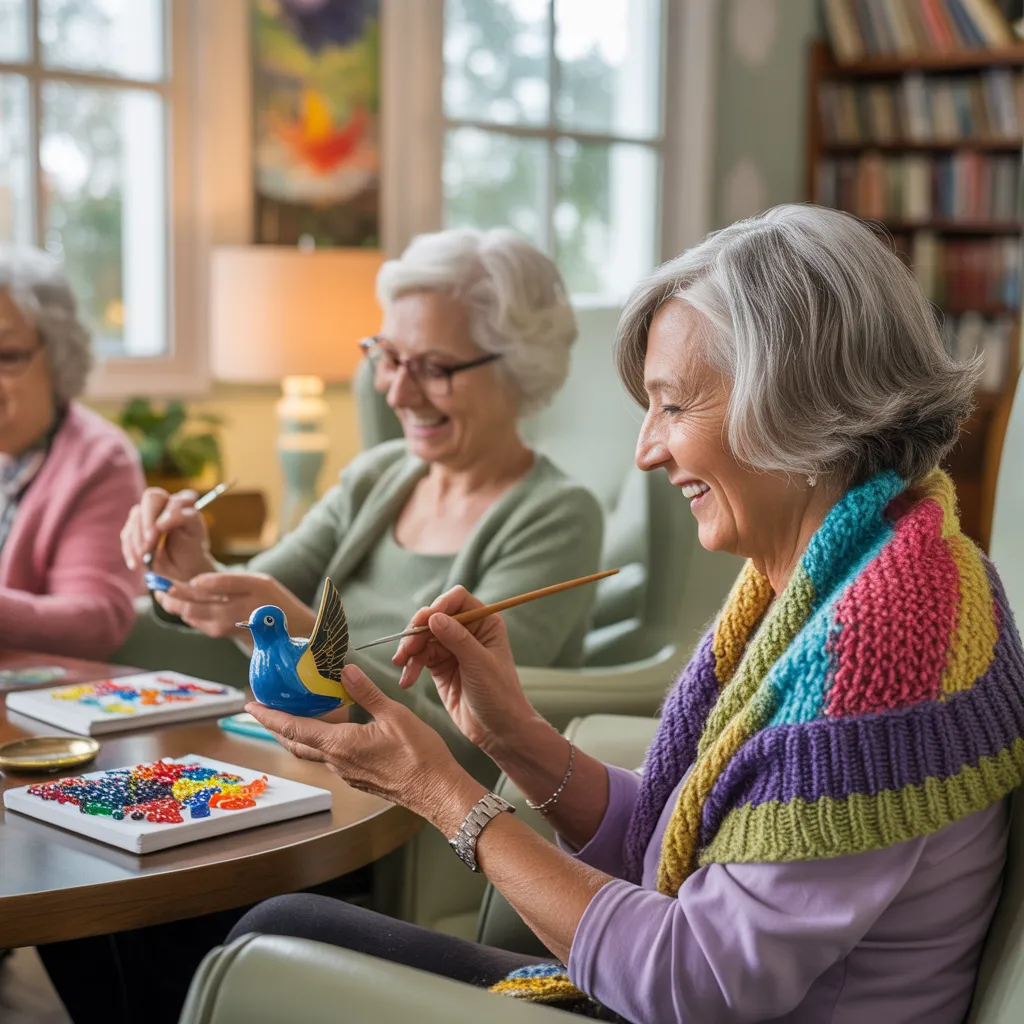
Pursuits customized to personal preferences, for example music therapy or art projects, can stimulate cognitive engagement while supporting self-expression. Group activities, including games or storytelling, promote social connections, which are important for emotional health.
Exercise, such as walking or dancing, promote general well-being and can boost mood. Moreover, incorporating sensory experiences, such as aromatherapy or tactile objects, can evoke positive memories and boost engagement. Ultimately, a balanced routine that includes cognitive, physical, and social activities fosters a higher quality of life for those with memory challenges.
The Importance of Self-Care for Caregivers
While those providing care typically focus on the needs of others, overlooking their own health needs can cause fatigue and decreased performance. Caregiving's mental and physical challenges can be intense, rendering personal wellness essential for preserving one's health and vitality. If those providing care neglect to rejuvenate, they might encounter elevated stress levels, anxiousness, and tiredness, which may adversely affect their capacity to deliver effective care.
Engaging in self-care practices—such as regular exercise, healthy eating, and adequate rest—can substantially boost a caregiver's resilience. Moreover, dedicating time for personal interests and social connections cultivates a sense of balance and fulfillment. By understanding their own needs, caregivers can ensure they remain emotionally and physically capable of supporting their loved ones. Ultimately, prioritizing self-care not only benefits caregivers but also improves the overall quality of care provided to those living with memory impairments.
Support Networks and Resources for Caregivers
An effective support network is essential for caregivers navigating the obstacles of memory care. Access to diverse resources can greatly ease the mental and physical strains linked to caregiving. National and local organizations, such as the Alzheimer's Association, deliver educational materials, support groups, and helplines that connect caregivers with others facing similar struggles.
Social media groups and online forums offer a platform for sharing experiences and advice, promoting a sense of community. Additionally, respite care services allow caregivers to take necessary breaks, ensuring they sustain their physical and mental health.
Educational sessions and training initiatives offer caregivers practical expertise and methods for handling the challenges of memory care. Furthermore, seeking assistance from healthcare professionals can provide customized guidance and interventions. By leveraging these resources and networks, caregivers can enhance their ability to provide effective and caring support to their loved ones, consequently enhancing their own quality of life.
Frequently Asked Questions
What Are Ways to Manage My Stress as a Caregiver?
To manage stress while caregiving, one should emphasize self-care, set boundaries, request support from others, participate in regular physical activity, and practice stress-relief methods, maintaining a balanced approach to both personal welfare and caregiving duties.
What Financial Aid Options Are Available for Memory Care?
Multiple financial assistance possibilities for memory care include Medicaid, long-term care insurance, veteran benefits, and state-specific programs. Families should explore eligibility qualifications and application processes to acquire the necessary funding for quality care.
How Do I Choose the Right Memory Care Facility?
Selecting the right memory care facility involves researching options, visiting potential locations, evaluating staff qualifications, assessing safety measures, understanding available activities, and considering family involvement to guarantee a supportive and engaging environment for residents.
What Legal Paperwork Is Essential for Caregivers?
Important legal documents for caregivers include durable power of attorney, health care proxy, living wills, and guardianship paperwork. These documents confirm caregivers can make well-informed decisions and manage the medical and financial affairs of those they care for.
How Do I Include Family Members in Caregiving?
To include family members in caregiving, one can schedule regular meetings to review responsibilities, encourage active participation in daily activities, share updates on the loved one's condition, and establish honest communication to encourage collaboration and support.